Guides
Equine Central Editorial

If you're new to horse ownership or simply curious about what it takes to keep a horse healthy in the UAE, climate is the first thing you need to understand. Temperatures here can climb well above 40°C in summer, humidity along the coast adds another layer of stress, and the desert environment brings its own unique challenges.
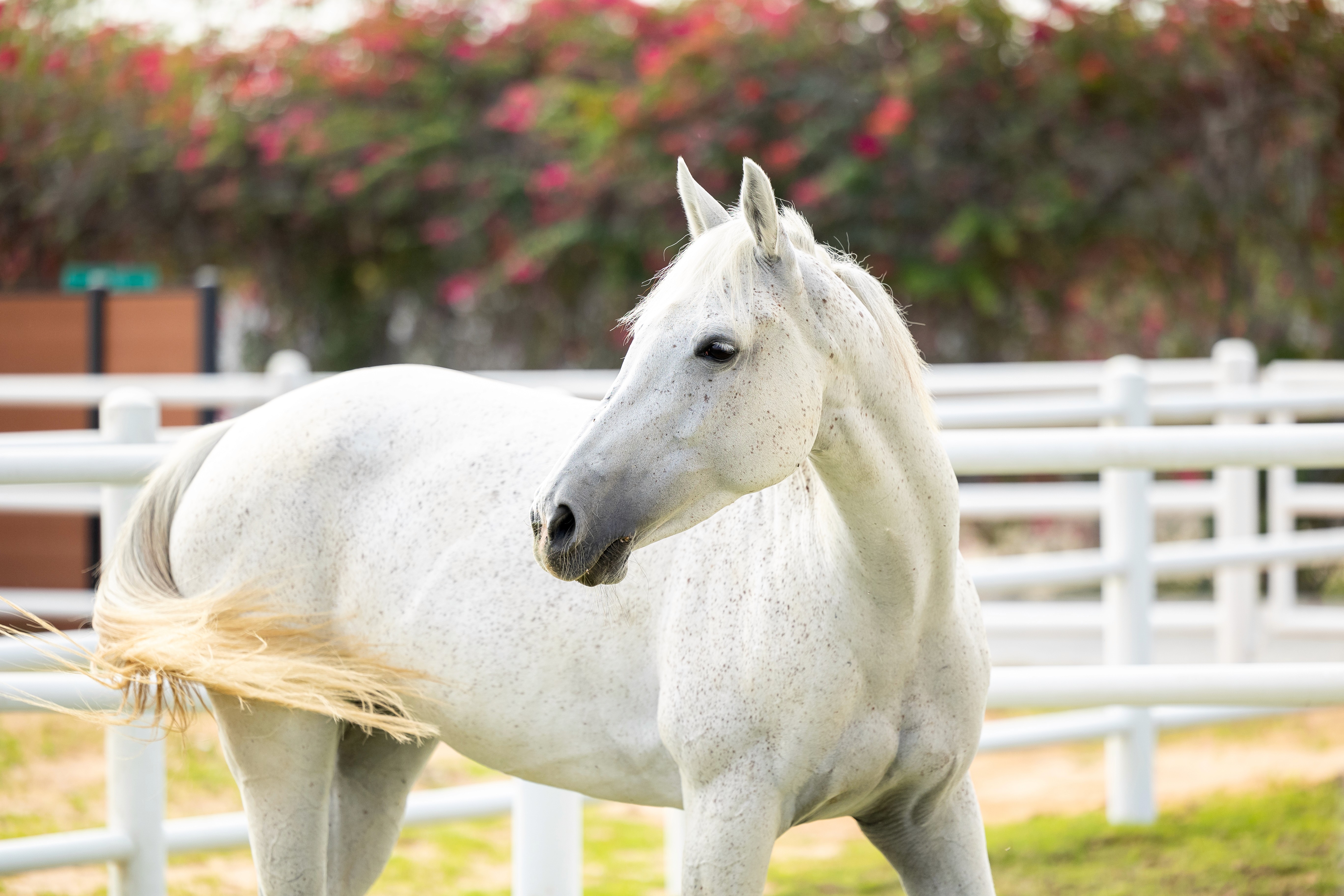
Why the UAE Climate Matters So Much
Horses generate a lot of internal heat, especially when active. In cooler climates, sweating and airflow are usually enough to keep them comfortable. In the UAE, high heat combined with humidity makes it much harder for a horse's body to cool itself down. Without proper management, this can lead to dehydration, heat stress, and in serious cases, heatstroke.
Understanding this from day one shapes almost every other decision you'll make as a horse owner here, from stabling to feeding schedules.
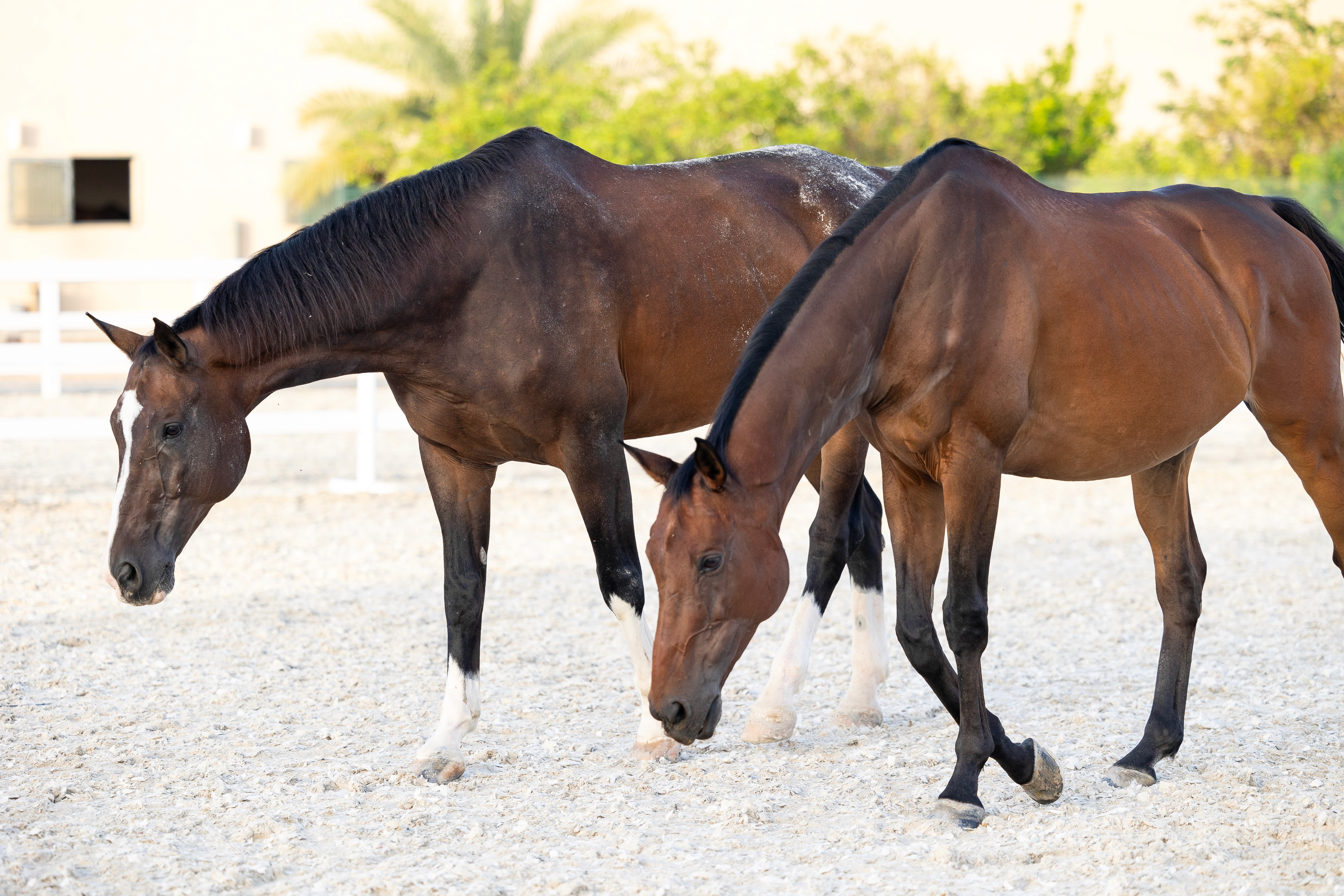
Water: The Single Most Important Factor
A horse in a hot climate can drink significantly more water than one in a temperate region, sometimes 40 to 60 liters a day or more depending on size, activity level, and how hot it is. As a rider/owner, your first responsibility is making sure water is always available, always clean, and never sitting in direct sun long enough to become uncomfortably warm.
A few practical tips:
Make sure that you or your groom are checking water at least twice a day, especially in summer
Position water sources in shaded areas where possible
Consider adding a second water point if your horse seems reluctant to walk far for a drink in extreme heat or drink from the automatic water feeder
Watch for signs of dehydration, such as dry gums, skin that stays tented when pinched, or reduced urination
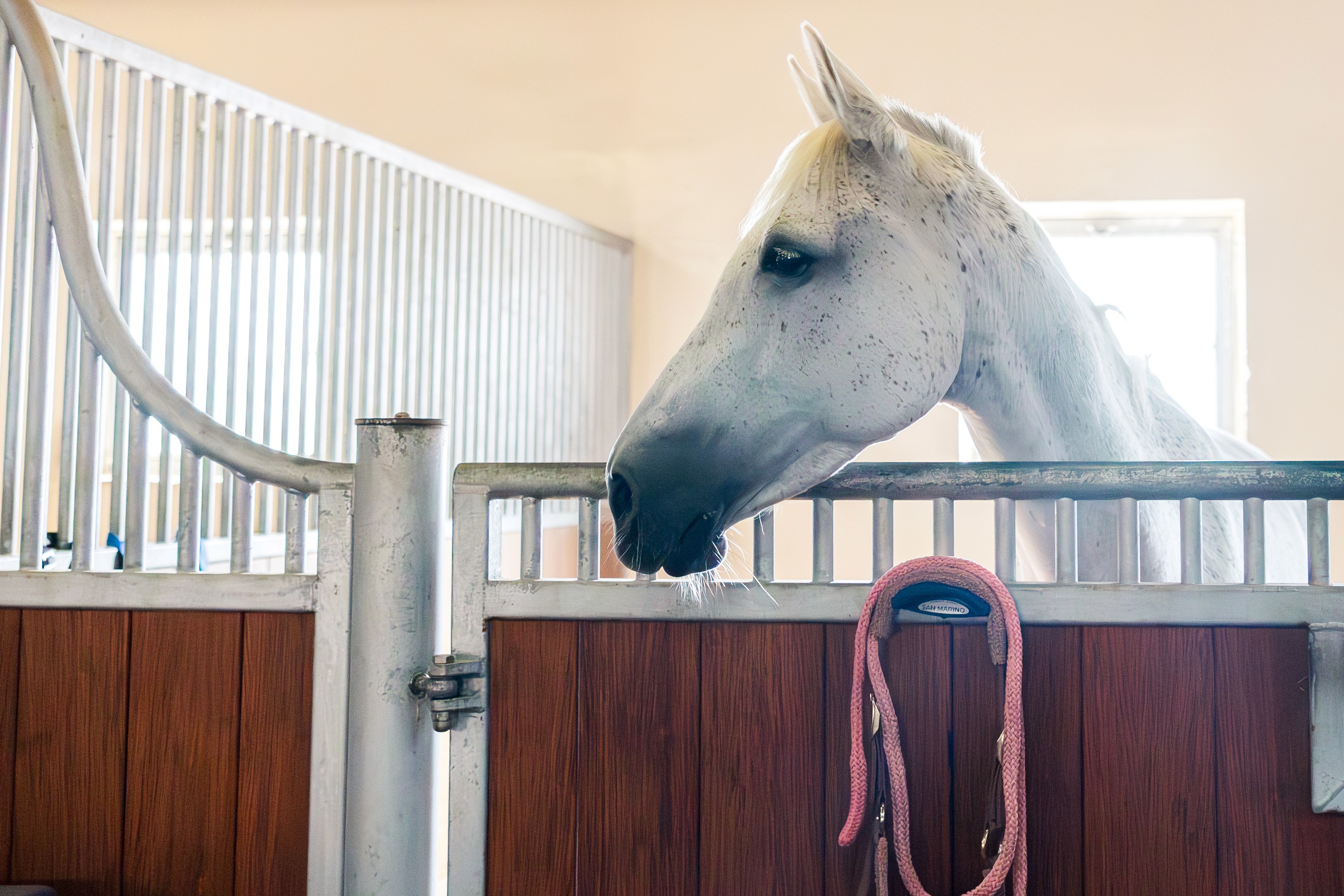
Stabling Concerns
Shelter isn't just a nice extra in the UAE, it's essential. Horses need protection from direct sun for much of the day, along with good airflow to help with natural cooling.
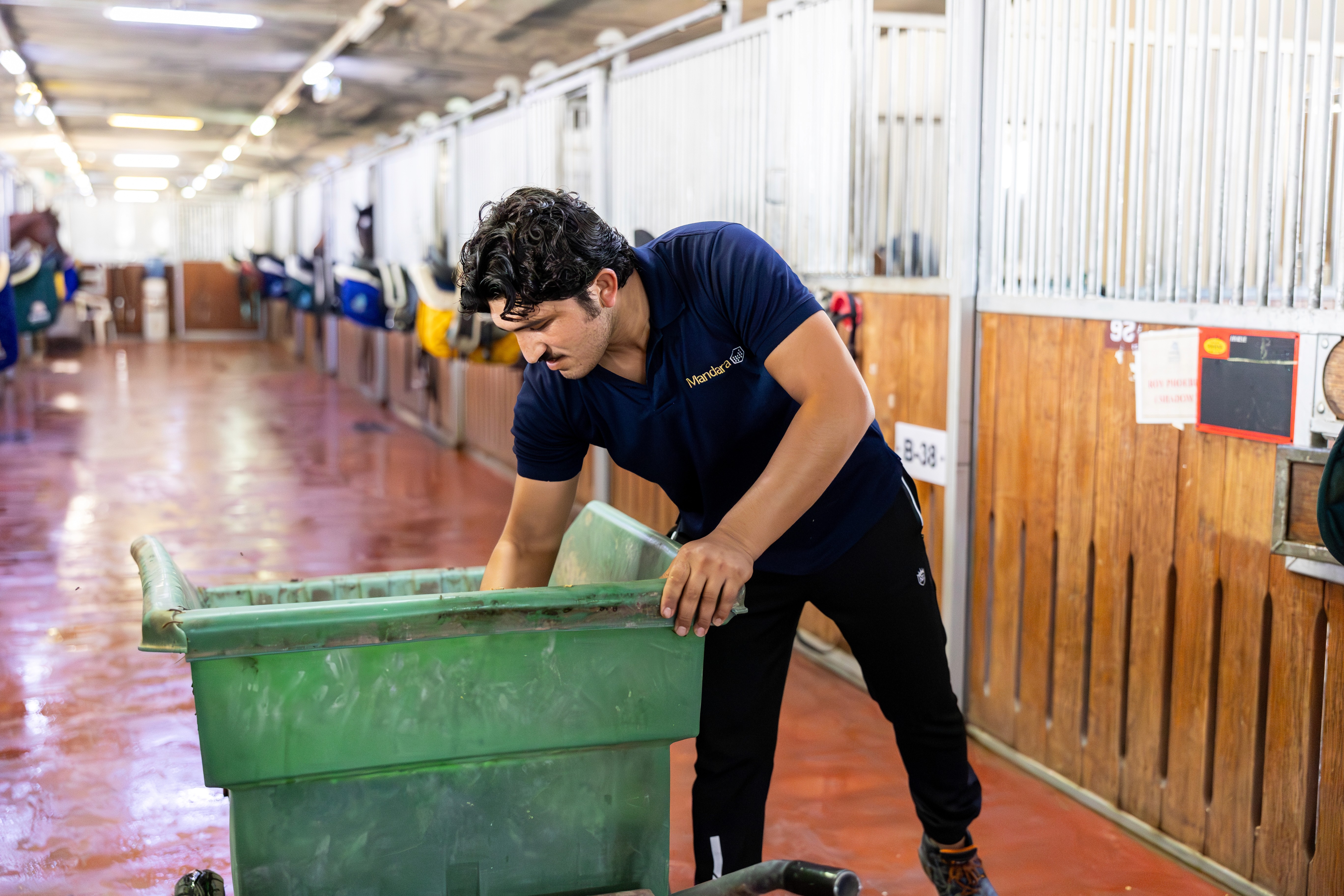
Many UAE stables are built with these climate needs in mind, using high ceilings, wide doorways, and fans to keep air moving. If you're setting up your own space or choosing a livery yard, look for these features. A stuffy, poorly ventilated stable can quickly become dangerous once outside temperatures rise.
Turnout schedules also matter. Early morning and evening are generally the safest times for horses to be outside, while the middle of the day is best spent resting in shade or a cooled stable.
Adjusting Exercise and Riding Times
Set your alarms, early! Owners are sometimes surprised by how much riding schedules shift in this region compared to cooler countries. Riding during peak midday heat puts real strain on a horse's body and increases the risk of overheating.
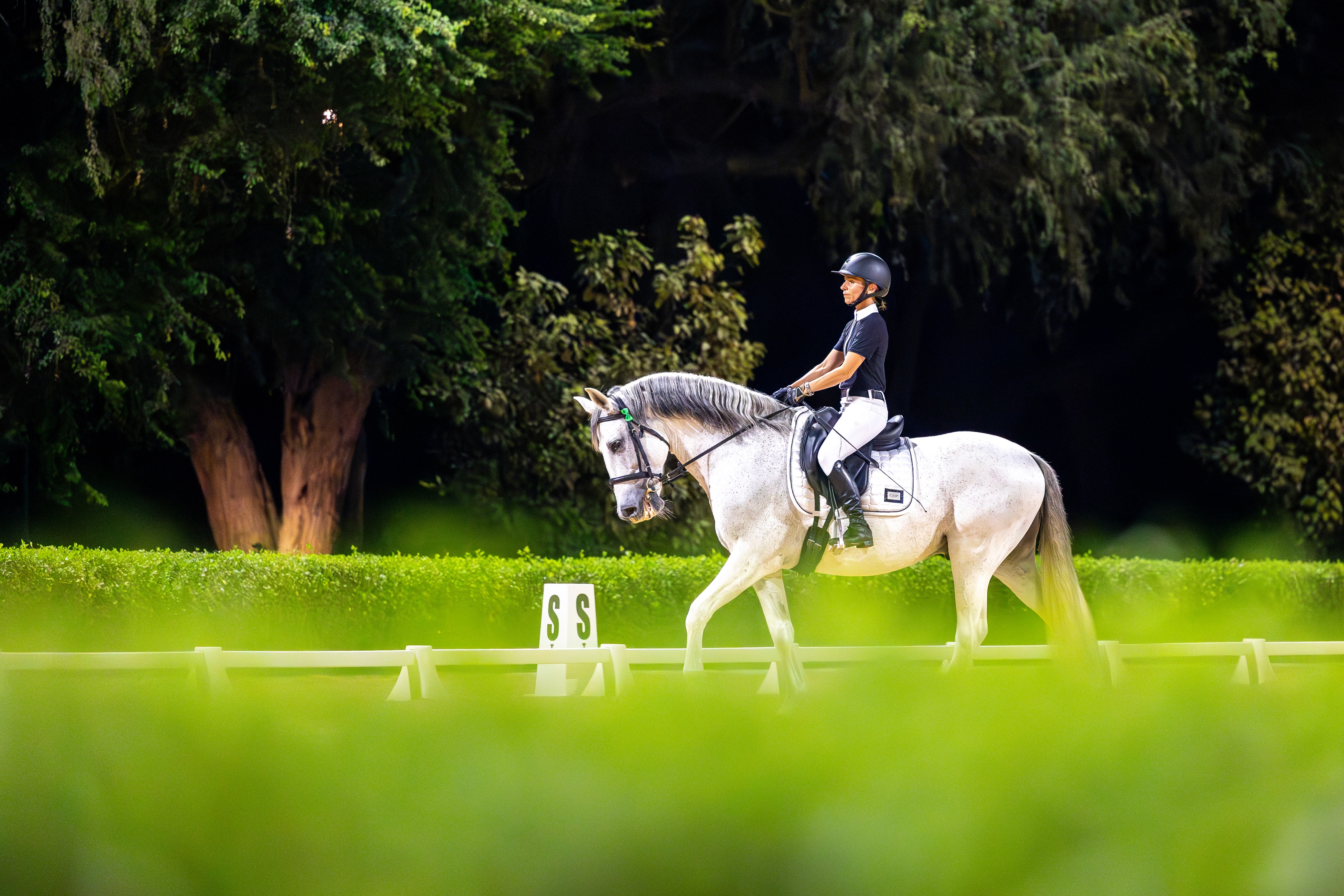
Most experienced riders and trainers in the UAE exercise horses early in the morning or after sunset, when temperatures drop to more manageable levels. If you're just starting out, it's worth building your own routine around these cooler windows rather than fighter's schedules built for other climates.
After exercise, cooling down properly is just as important as the ride itself. Walking a horse to bring its heart rate down gradually, followed by hosing with cool water, helps the body recover safely.
Feeding Considerations in Hot Weather
Diet plays a supporting role in helping horses manage heat. Electrolytes are often recommended in the UAE, particularly for horses in regular work, since sweating causes the loss of essential minerals like sodium, potassium, and chloride. Replacing these helps maintain proper hydration and muscle function.
Forage, such as quality hay, should still make up the bulk of a horse's diet. Some owners find that soaking hay slightly can help with hydration too, though this should be balanced against local humidity levels to avoid mold issues.
As always, any changes to feeding routines are best discussed with a vet or equine nutritionist familiar with regional conditions.
Recognizing Heat Stress Early
Even with good management, it helps to know the warning signs of heat stress so you can act quickly:
Excessive sweating or, in more severe cases, an unusual absence of sweating
Rapid breathing that doesn't slow down with rest
Lethargy or reluctance to move
Elevated heart rate that stays high after exercise
Muscle tremors or unsteadiness
If you notice any of these signs, move the horse to shade immediately, offer water, and contact a vet if symptoms don't improve quickly. Early action makes a significant difference in outcomes.
Building Good Habits from the Start
Caring for a horse in the UAE isn't fundamentally different from anywhere else, it simply requires more attention to heat management. Reliable access to water, smart scheduling around exercise, well-ventilated shelter, and a watchful eye for early signs of stress will take you a long way as a beginner.
The more time you spend around horses in this environment, the more these habits will become second nature. Every experienced horse owner in the region started exactly where you are now, learning to read their horse's needs against the backdrop of a demanding but manageable climate.