Guides
Equine Central Editorial

Every year, a familiar pattern plays out in the UAE equestrian community. Someone falls in love with horses, buys one (or is gifted one), enjoys a season or two of riding, and then their circumstances change. A job relocation, a growing family, a shift in priorities. And suddenly there's a horse that needs a home, a buyer, or a flight out of the country, and not always enough time, money, or plan to make that happen well.
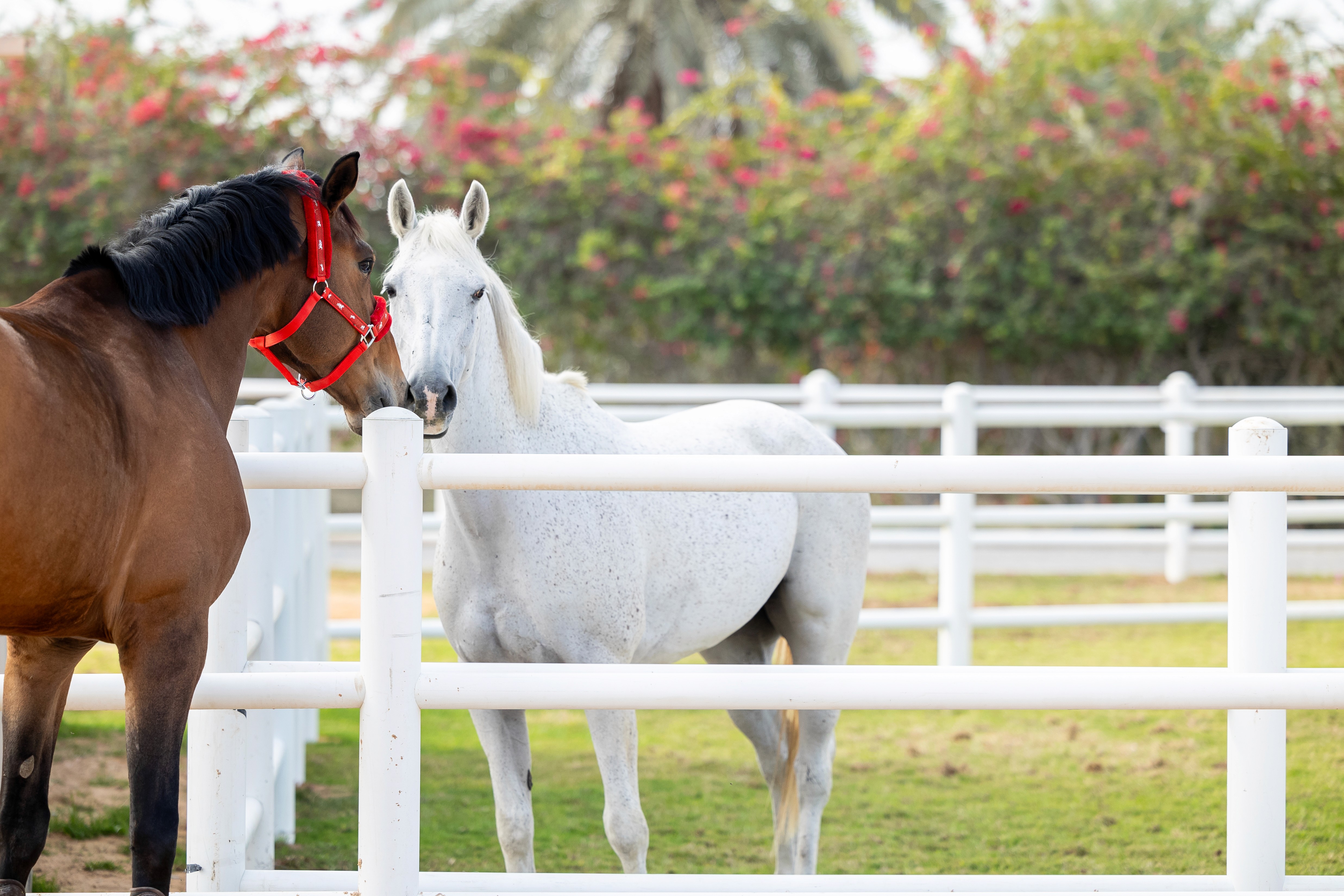
This isn't a story about bad people. It's a story about a gap in how horse ownership is often framed here versus how it's actually lived. In the UK, US, and much of Europe, "total cost of ownership" is a phrase every riding instructor drills into new owners before they sign anything. In the UAE, where the equestrian scene is younger and growing fast, that conversation happens far less often, and horses are the ones who pay for the gap.
Owning a Horse Is a REAL Commitment, Not a One-Time Purchase
The initial purchase price of a horse is often the smallest number in the whole equation. What actually determines whether an owner can sustain that horse, welfare intact, is the recurring monthly spend. Rough estimates for a horse in full livery in the UAE typically break down like this:
Livery / stabling: full livery (feed, mucking out, turnout, basic care included) typically runs from the low thousands of AED per month at a modest yard to significantly more at premium equestrian centers. We typically see AED 3-6k across the UAE.
Farrier: routine trimming or shoeing on a 6-8 week cycle, AED 400-1000
Veterinary and routine health: vaccinations, deworming, dental checks, and the inevitable unplanned vet visit (this can vary from AED 1k to 50k for a colic surgery)
Feed and supplements: beyond what's covered in livery, especially for horses in work or with specific dietary needs. This can be anywhere from AED 200-1500/month.
Insurance: mortality and vet-fee cover, if the owner chooses to carry it (AED 2k/year)
Training and lessons: for owners actively competing or developing a young horse (AED 150 for group lesson to AED 500 for private lessons)
Transport: to competitions, clinics, or between yards (a trip across Emirates can cost AED 300-700.
Add it up over a year, and even a modest hobby horse can represent a serious recurring financial commitment, one that doesn't pause when life gets complicated.
The Cost Nobody Budgets For: Leaving
This is the piece that catches people off guard, and it's arguably the most important one for welfare. If an owner relocates out of the UAE, which, in a country built on a large expat population, is a matter of when, not if, for many owners, bringing a horse home or moving it elsewhere is not a simple logistical footnote. All-in, exporting or retiring a horse when leaving the UAE can run anywhere from 35,000 to 50,000 AED, covering:
Health certification, testing, and quarantine requirements
International transport (flight crating, ground handling, door-to-door logistics)
Import requirements and quarantine at the destination
Paperwork, permits, and agent fees
Contingency for delays or additional testing
That number is often larger than what many owners spent acquiring the horse in the first place. And when it's not budgeted for, it's the horse who ends up in limbo: passed along quickly, left at a yard with an unpaid bill, or in the worst cases, simply abandoned.
*We strongly recommend putting money aside monthly as an "emergency fund" so you at least have something if you need to move quickly.

Why This Belongs in a Welfare Conversation
None of this is about discouraging people from owning or selling horses. It's about closing the gap between the romantic entry point (the first ride, the first horse show, the decision to buy) and the realities of what responsible ownership requires for the full length of that horse's life, including the exit.
A few things worth building into the culture here, the way they're built into equestrian culture elsewhere:
Budget for the full relationship, not just the purchase. Before buying, owners should map out 12 months of costs, plus a realistic exit-cost reserve, even if that exit is years away.
Have an exit plan before you need one. Whether that's a repatriation budget, a retirement yard on standby, or a resale/rehoming plan, deciding this before a crisis produces far better outcomes for the horse.
Ask sellers and yards for real numbers. Prospective owners should be able to get a clear monthly cost breakdown and export-cost estimate before they commit, not after.
Treat "I might leave the UAE" as a planning certainty, not a hypothetical. For an expat-heavy community, it should be a standard part of pre-purchase conversations.
The UAE's equestrian scene has grown enormously, and that growth is a good thing for the sport and for the community. But growth without cost transparency tends to produce exactly the welfare problems we're trying to avoid: horses who outlive their owner's readiness to plan for them.