Training
Equine Central Editorial
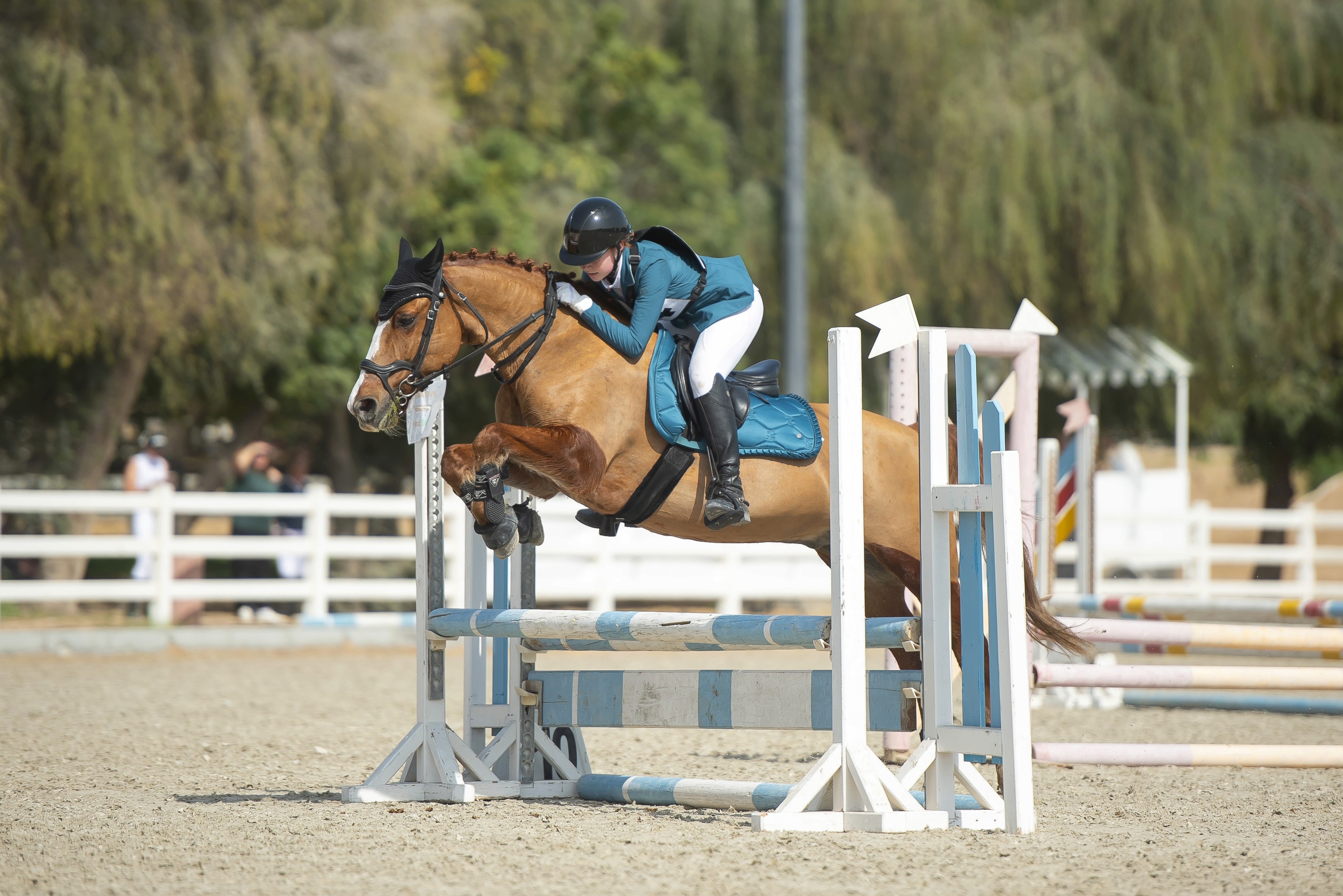
Competition season is almost here, and if your horse has spent the summer on a lighter schedule, you are not alone. Every yard in the UAE goes through the same seasonal rhythm: the heat forces training to slow down, and by the time October arrives, both horse and rider are facing a return to competition with less fitness in the bank than they had in April (ask us how we know).
The instinct is often to push hard and catch up fast. We think there is a better way, and it starts with borrowing a page from true horsemanship: patience, structure, and welfare-first conditioning.
October Is Not Cool Yet in the UAE
It is easy to look at the calendar and assume the worst of summer is behind us. In reality, October in the UAE still brings daytime temperatures well into the mid to high 30s, with humidity that makes the heat feel even more intense. Horses are still dealing with heat stress, and their bodies have not fully adjusted to harder work in these conditions.
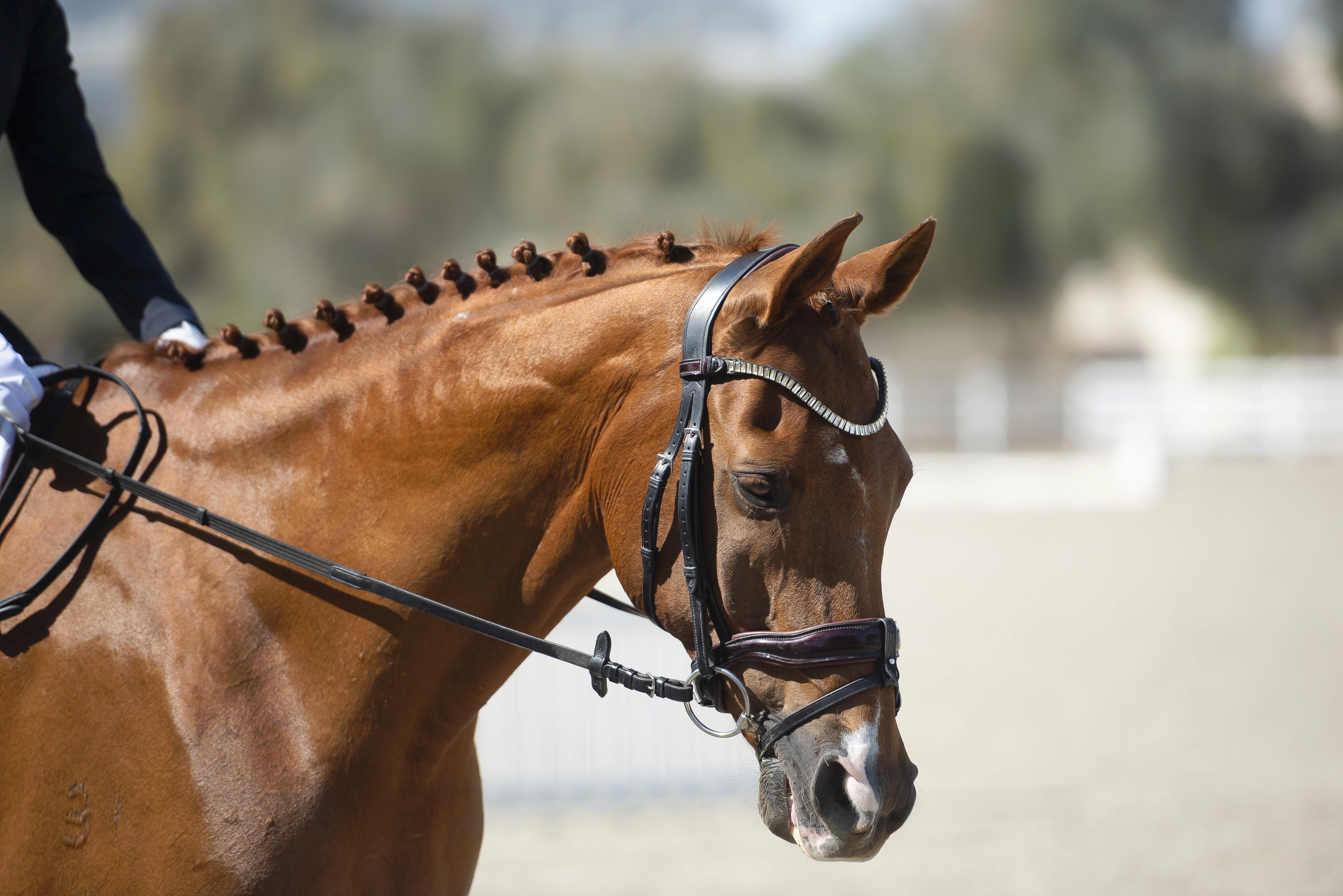
This matters because early season injuries so often come down to one root cause: asking for performance before the horse's cardiovascular and musculoskeletal systems are ready for it. A horse that looks fit standing in the crossties is not the same as a horse that is fit to gallop, jump, or hold a frame for a full test.
The Summer Deconditioning Problem
Reduced turnout, shorter rides, and lower intensity training over the summer months are sensible welfare decisions. But they come with a cost: a measurable drop in cardiovascular fitness, muscle tone, and tendon and ligament resilience. Riders often feel this too, after months of shorter, cooler morning sessions instead of full training days.
The mistake many yards make is treating the first weeks of autumn as a return to normal, rather than as the start of a new fitness build. A horse that was competing at a high level in April cannot simply pick back up in October at the same intensity, even if the muscle memory is there.
A Smart Approach to the Restart
European yards, particularly those working through cold, wet winters that also limit turnout and training intensity, have long approached the return to work as a deliberate, staged process rather than a rush back to form. A few principles worth adopting here:
Build aerobic fitness before anything else. Long, slow, low intensity work rebuilds the cardiovascular base safely. This typically means weeks of hacking, hill work, or steady trot sets before any real interval work or jumping begins.
Respect the tissues, not just the lungs. Tendons, ligaments, and joints adapt more slowly than cardiovascular fitness. A horse can feel fit and forward well before its soft tissue is ready for the loads of competition. Rushing this stage is where late season injuries often begin.
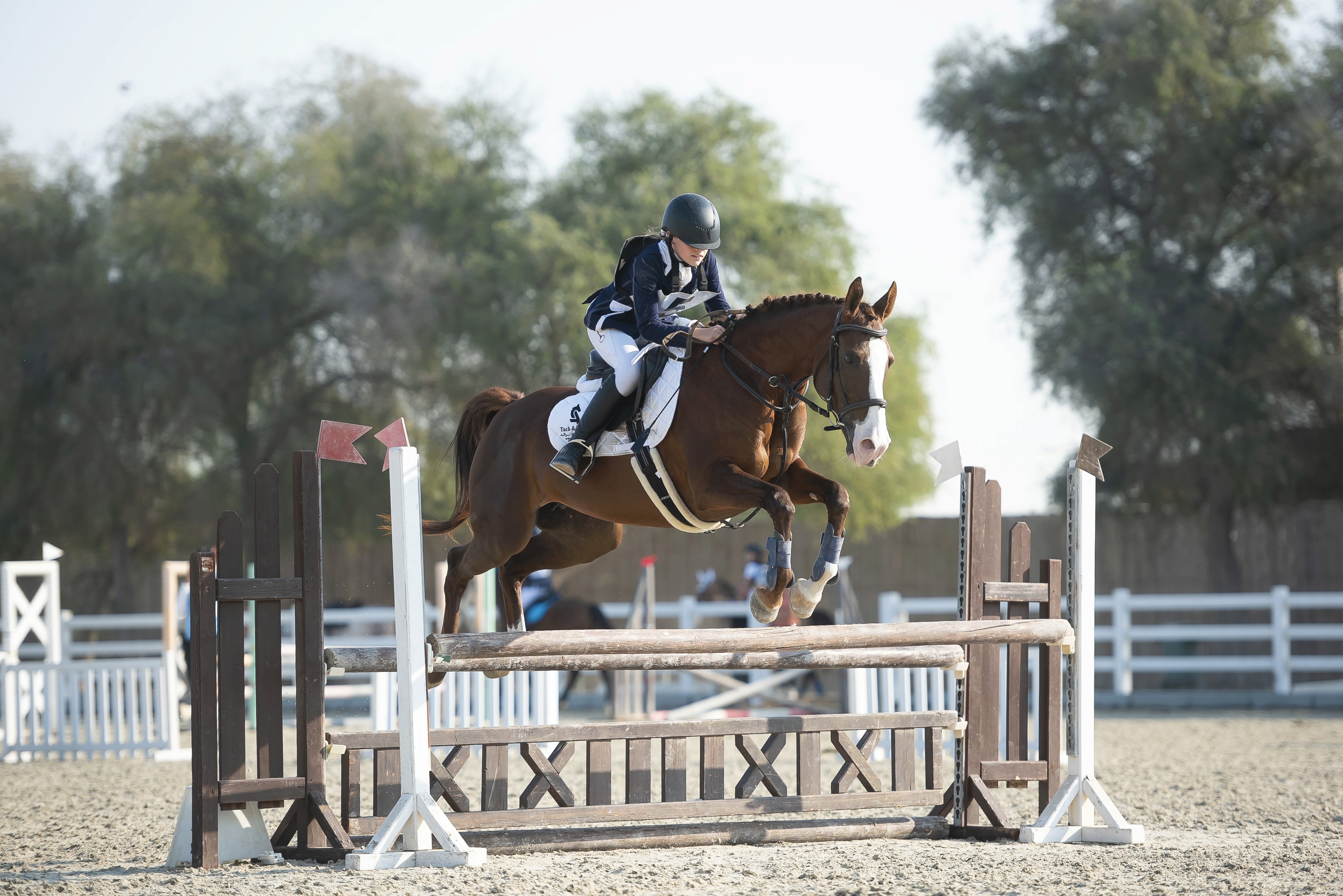
Monitor recovery, not just workload. Heart rate recovery after exercise is one of the simplest, most reliable indicators of true fitness. A horse whose heart rate drops quickly after work is telling you something useful that a stopwatch on the clock alone will not.
Prioritise turnout and forage. Free movement and a forage based diet support both physical and mental wellbeing, reducing stress and supporting a healthier gut, especially important as workload increases again.
Involve the vet and farrier early, not after something goes wrong. A pre-season check on soundness, hoof balance, and general condition catches small issues while they are still small.
Don't Let Paperwork Slow You Down
Fitness and welfare are only part of the picture. A horse and rider who are physically ready to compete can still be held up at the gate by paperwork that was left too late. Registration with the UAE Equestrian and Racing Federation is required to compete, and it is worth starting the process well before the season opens rather than in the days before your first show.
This is especially true if your horse is coming from, or has recently traveled to, another country. Part of the registration process involves obtaining a No Objection Certificate, or NOC, from your horse's home federation. This confirms that the horse is free to compete under the UAE federation and is a standard requirement across FEI member nations, but it is not something that can be arranged overnight. Depending on the home federation, processing an NOC can take days or weeks, and any delay here can mean missing entries for the events you had circled on the calendar.
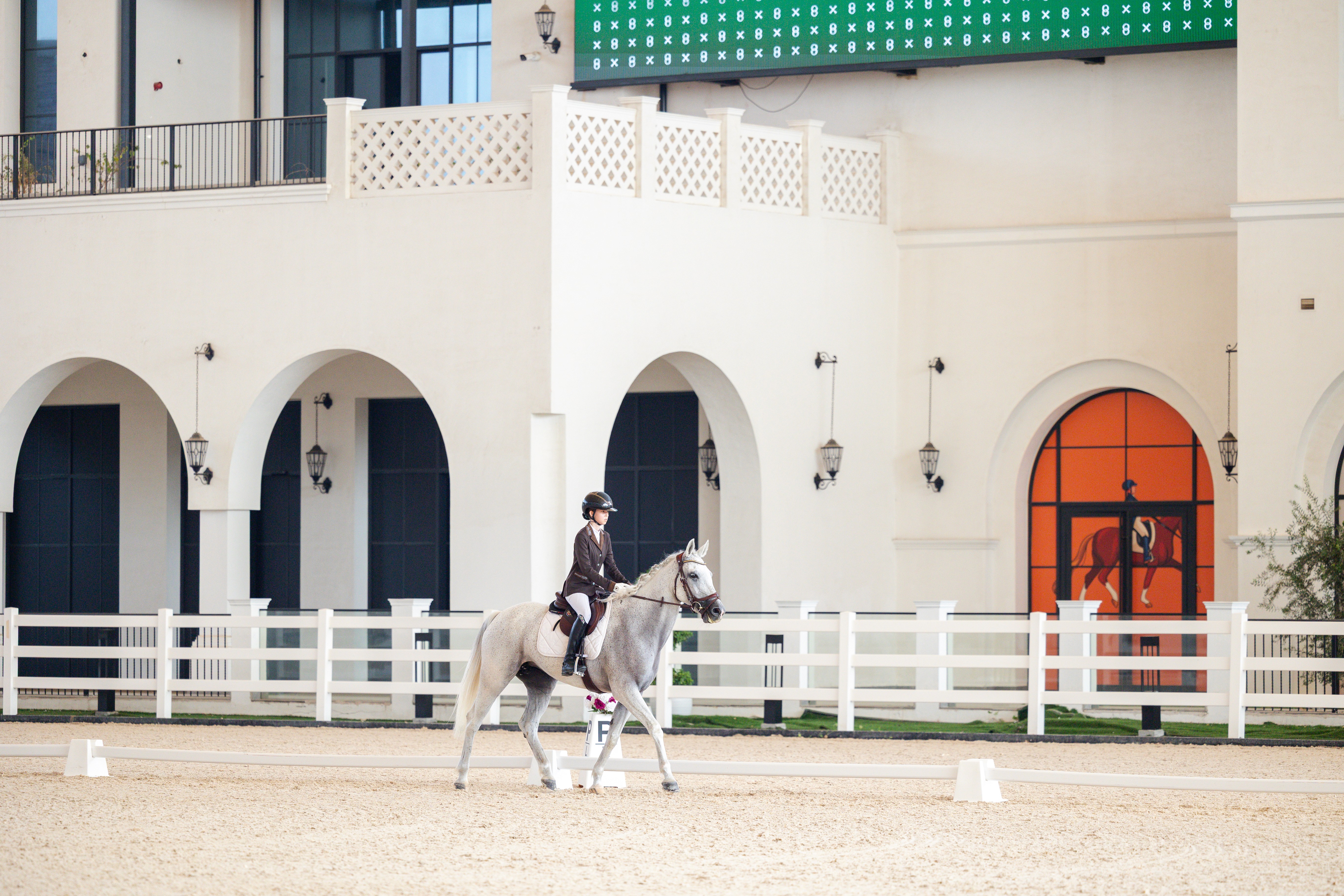
A few things worth doing now, ahead of the season:
Confirm your horse's registration status with the UAE Equestrian and Racing Federation and renew early if needed
Request the NOC from your home country's federation as soon as you know you intend to compete in the UAE
Keep passports, vaccination records, and ownership documents up to date and easily accessible
Register riders and grooms alongside horses, since delays can happen on the human side too
Getting this sorted early means one less thing standing between your prepared horse and the start box.
Get Vaccinations Done ASAP
If you plan to compete in any FEI competitions, double check your horse's vaccination record before you finalize entries. FEI rules require an influenza booster within six months of competing, and vaccination records are checked at the horse inspection, so an out of date certificate can mean being turned away on the day. Build the booster into your pre-season vet visit rather than treating it as a separate task, and keep the vaccination passport up to date and on hand for every show.
Practical Steps for the Weeks Ahead
Ride in the cooler hours, early morning or late evening, and adjust intensity to the heat and humidity, not the calendar
Increase hydration support and electrolytes as work increases, well before the horse shows signs of struggling
Build a fitness plan in stages: aerobic base first, then strength and suppleness, then speed and sharpness
Track recovery heart rates as a simple, objective measure of progress
Book pre-season vet and farrier checks now, rather than waiting for a niggle to appear
Give riders the same grace you give the horse. A deconditioned rider affects a horse's way of going too
Register with the UAE Equestrian and Racing Federation and request any NOC paperwork early
The Bigger Picture
Competition season rewards preparation, not just talent. A horse and rider pair that takes the extra few weeks to build fitness properly will be in far better shape by December than one that rushed the process in October. Welfare and performance are not competing goals, they support each other. A horse that is conditioned thoughtfully, kept cool and hydrated, and given time to adapt will simply hold up better across a long season.
As the temperatures start to ease and the show calendar fills up, the yards that take a measured, welfare focused approach to the restart are the ones that tend to still be performing well come spring.